
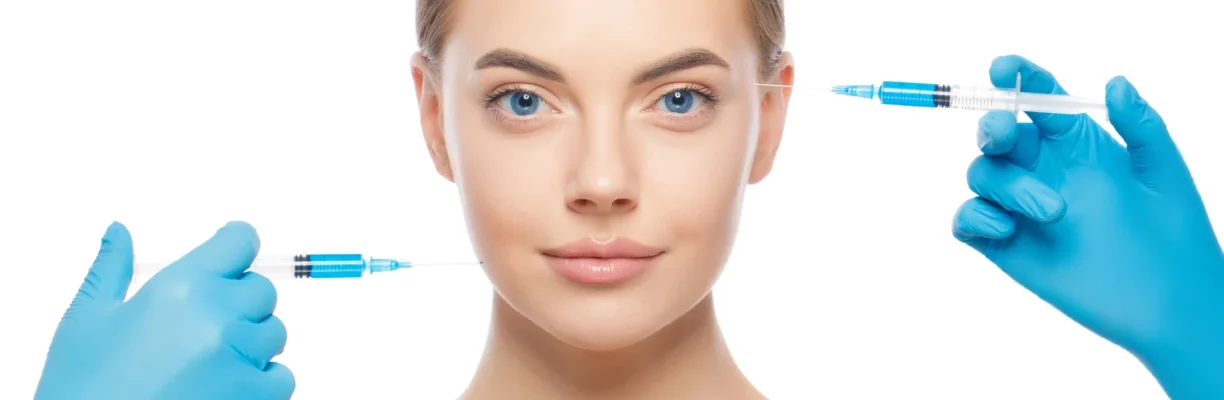
Have options but don’t know which to choose? Turn your curiosity into knowledge. Learn the differences between Botox and Xeomin. Which is safer? Which lasts longer? Which is for you?
In a recent research conducted in 2025, women of five ethnic groups despite the differences in their features, all agree that “skin wrinkling, hyperpigmentation, dark circles and lateral canthal lines (‘crow’s feet’), are a concern for women” in predicting rated age, health and attractiveness. And although skin care is key for most people, your dermatologist might suggest Botox — a well-known skin treatment that works by temporarily relaxing the injected area.
Botox is good. It’s widely used, extensively studied, and trusted by millions of people worldwide. But it isn’t the only option available today. As interest in injectable treatments has grown, so has curiosity about alternatives that work in similar ways. One name that often comes up in these conversations is Xeomin, another FDA-approved injectable that, while similar to Botox, is not exactly the same.
This guide helps you understand your options and walks you through the differences, similarities, and specific qualities of Botox vs Xeomin. And eventually help you answer the question: “Which should I choose?”
Botox vs Xeomin: What Are They Exactly?
Botox and Xeomin are injectable treatments that belong to the same category of products. Both are made from botulinum toxin type A and both are approved by the FDA for cosmetic and medical use.
They are commonly discussed together because they are used for similar purposes. Most people encounter them in the context of reducing the appearance of wrinkles and fine lines caused by muscle movement, such as lines on the forehead or around the eyes.
At a high level, Botox and Xeomin share several key traits:
- Both are FDA approved injectable treatments
- Both work by targeting muscle activity
- Both are temporary and wear off over time
- Both must be administered by licensed medical professionals
Because of these similarities, they are often compared directly. The differences are more subtle and tend to come down to formulation and individual response.
How Botox Works
Botox usually works by temporarily reducing muscle movement in a targeted area. Many common facial lines form over time due to repeated expressions such as squinting, frowning, or raising the eyebrows. When these muscles relax, the skin above them also appears smoother.
After injection, Botox begins to affect the treated muscles gradually. Results are not immediate, and changes typically become noticeable over several days. The effect is temporary. As the body naturally processes the product, muscle movement slowly returns.
People often associate Botox with a few general expectations:
- It targets dynamic wrinkles caused by movement
- Results are temporary and need maintenance
- Effects vary from person to person
Botox has been used for decades, which is one reason it is so widely recognized. Its long history has also contributed to extensive research and familiarity.
How Xeomin Works
Xeomin is an injectable that works in much the same way as Botox. It also targets specific muscles and reduces their activity for a limited period of time. From a functional standpoint, the outcome is similar and according to research, Xeomin patients expressed satisfactionwith their treatment two days after . The goal is to soften the appearance of lines caused by repeated muscle movement.
People exploring Xeomin often hear a few recurring points:
- It is FDA approved and widely used
- It works in a similar way to Botox
- It has a more streamlined formulation
Botox vs Xeomin: The Key Differences
Understanding the differences help explain why Botox and Xeomin are similar, but not identical.
What Is Inside the Injection
Formulation alone does not determine results, safety, or how long effects last. In simple terms:
- Botox includes accessory proteins
- Xeomin contains only the active ingredient
- Both are FDA approved and regulated
Safety is a common question when comparing xeomin vs botox. Both are FDA-approved injectable treatments derived from botulinum toxin type and are considered safe and effective when used as directed. But it’s important to note that safety depends more on proper injection and medical oversight than the product alone.
Which Lasts Longer?
Results are not immediate and usually appear after a few days. Botox typically lasts three to four months. While Xeomin lasts around three months, sometimes longer. Effects fade gradually, and follow-up treatments help maintain results over time. The time wrinkles reappear is your signal to book your next session.
Results may differ depending on:
- Muscle strength and activity
- Areas treated, such as forehead lines or crow’s feet
- Dosage and injection placement
When comparing botox vs xeomin for longevity, it is best to expect similar outcomes rather than a clear winner.
Aftercare and Possible Side Effects
After receiving Botox or Xeomin, most people can return to normal activities the same day. Still, basic aftercare helps reduce the chance of unwanted effects and supports better results.
Common aftercare guidance usually includes:
- Avoid rubbing or massaging the treated area for several hours
- Stay upright for a short period after the injection
- Avoid strenuous exercise for the rest of the day
Side effects are generally mild and temporary. The most common ones include slight redness, swelling, or tenderness at the injection site. These usually resolve on their own within a short time.
Less commonly, some people may experience headache, bruising, or a feeling of tightness. Serious side effects are rare but possible, which is why a trusted injector, proper injection technique, and medical oversight matter.
Both Botox and Xeomin have well established safety records. Understanding aftercare and potential side effects helps set realistic expectations and supports a smoother experience overall. Also make sure that everything is well-communicated with your injector during consultation.
Why Expertise and Sourcing Matter
Choosing between Botox and Xeomin is only part of the experience. Who performs the injection and where the product comes from can influence both safety and results.
Who Should Be Injecting Botox or Xeomin?
Botox and Xeomin are medical treatments and should only be administered by a licensed injector. Training and experience matter when it comes to placement, dosage, and overall safety. A trusted injector can also explain expectations clearly and help guide decisions based on individual needs, which supports more consistent and natural-looking results.
Why the Supplier Behind the Scenes Matters
Not all injectable products come from the same place. FDA-approved aesthetic injectables must be sourced through legitimate, regulated channels to ensure quality and authenticity.
Behind many clinics is a wholesale distributor that supplies FDA-approved aesthetic injectables. DeWitt Pharma works as a supplier and distributor that helps licensed healthcare professionals access authentic products through compliant channels. Reliable wholesale sourcing helps ensure that injectables like Botox and Xeomin meet regulatory standards before they ever reach an injector.
Summary
- Botox and Xeomin are FDA approved injectable treatments made from botulinum toxin type A
- Both work by relaxing targeted muscles to reduce the appearance of fine lines and wrinkles
- Botox contains accessory proteins, while Xeomin contains only the active ingredient
- Safety and results depend more on proper injection and medical oversight than formulation
- Results are temporary and usually last several months, with variation between individuals
- Aftercare is simple, and side effects are typically mild and short lived
Final Thoughts
When it comes to Botox vs Xeomin, knowledge comes first. With a clear understanding of your options, decisions feel less overwhelming and more grounded in facts rather than assumptions.
Botox and Xeomin are closely related treatments with similar goals, but they are not identical. Understanding how they work, how they differ, and what to expect after treatment helps remove much of the confusion around choosing between them.
FAQs
Is Botox or Xeomin better?
There is no single answer to what’s better Botox or Xeomin, since patients often have different experiences and preferences. Both are designed for cosmetic use and help address common signs of aging such as forehead wrinkles.
Does Botox or Xeomin last longer?
When comparing longevity, the effects of Xeomin and Botox are often similar, with both helping reduce the appearance of wrinkles on the face for several months.
Can you mix Botox and Xeomin?
In some situations, botulinum toxin injections may be combined as part of a broader treatment plan, though this depends on individual goals. Mixing products should only be considered by those receiving Xeomin or Botox injections under proper medical guidance, especially when considering Botox for the first time.
Which is safer, Botox or Xeomin?
Both products are derived from botulinum toxin type and are considered safe and effective when used correctly. They work by temporarily blocking nerve signals and interrupting nerve signals to the muscles, which helps relax muscles that cause wrinkles known as glabellar lines.
Is Xeomin a good Botox alternative?
Xeomin compared to Botox is often seen as similar in function and an option like Botox for aesthetic goals. Botox contains accessory proteins, and while Botox contains components Xeomin does not, yet both are effective in treating the appearance of fine lines and are widely Botox used for cosmetic care, helping people make an informed choice.
How quickly do Botox and Xeomin results appear?
Results from both Botox and Xeomin typically begin to appear within a few days after treatment. Full effects are usually visible within one to two weeks, depending on the patient and treatment area.
How long do results from Botox and Xeomin last?
Most patients see results lasting three to four months with both products. Duration can vary based on dosage, metabolism, and the specific muscles treated.
What areas can Botox and Xeomin treat?
Both Botox and Xeomin are commonly used to treat forehead lines, crow’s feet, and frown lines. They can also be used for other cosmetic and medical purposes depending on provider expertise.
Are there side effects with Botox or Xeomin?
Common side effects include mild swelling, redness, or bruising at the injection site. These effects are usually temporary and resolve within a few days after treatment.
How can DeWitt Pharma help with Botox and Xeomin treatments?
DeWitt Pharma supports clinics by providing access to authentic products through reliable sourcing channels. This helps providers maintain consistent quality, improve patient outcomes, and confidently deliver safe and effective treatments.