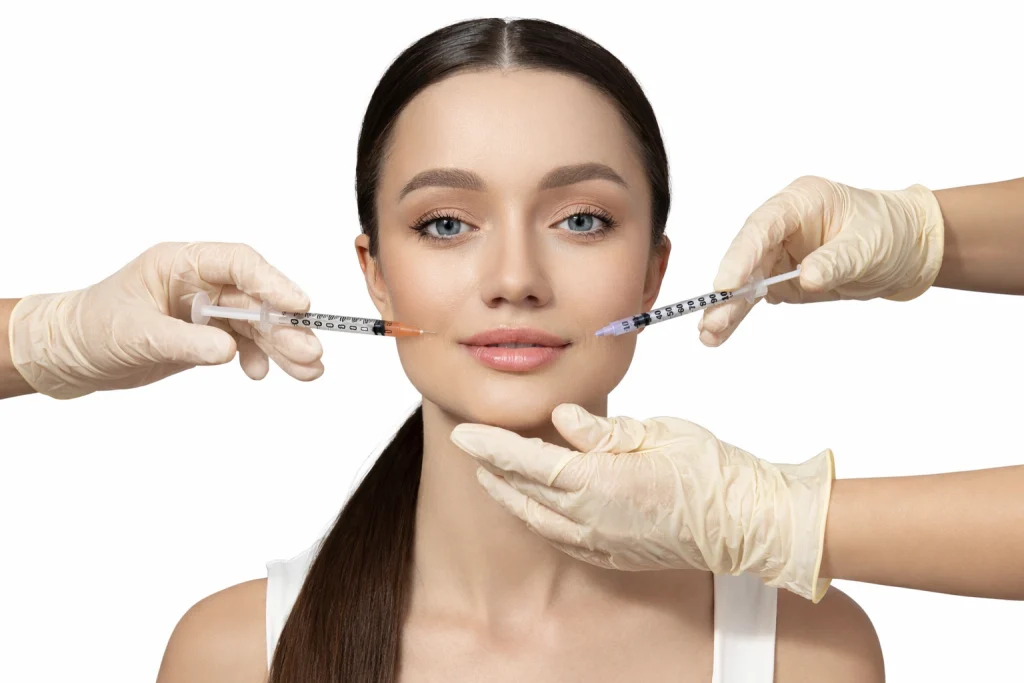
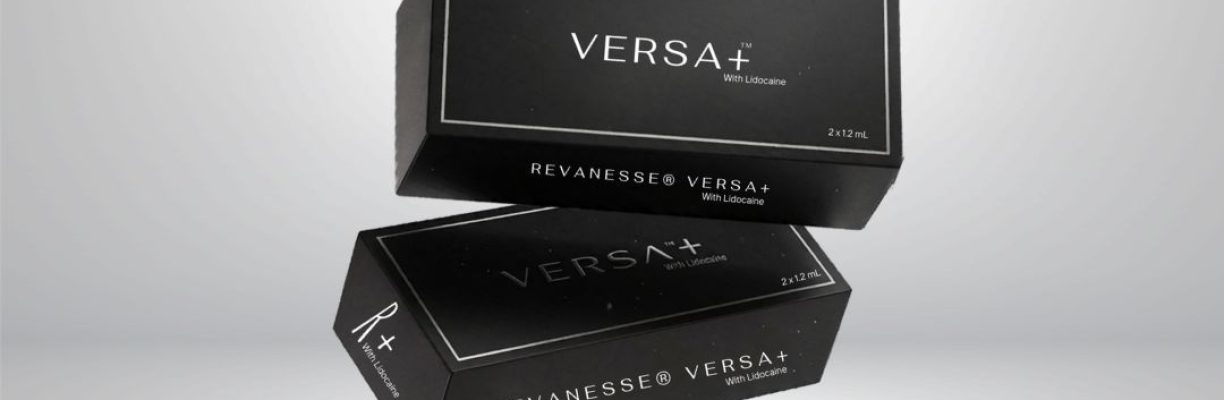
Most content about Revanesse Versa is written for the patient sitting in the chair, not the injector deciding whether to add it to the menu. That leaves practice owners guessing which of the treatment areas for Revanesse Versa are FDA-approved and which are used off-label, and that guess is where compliance risk starts.
This guide closes that gap with a clinical, area-by-area breakdown built for injectors and practice owners, not patients. DeWitt Pharma put it together using the same standard it applies to every product it supplies: verified sourcing, accurate labeling, and no claims beyond what the FDA indication covers. For a practice owner, Versa is also an inventory decision tied to menu breadth, patient demand, and separating approved indications from off-label use.
For this guide, “best” means clear label support, common injector familiarity, and practical menu value. From here, each section covers one area, starting with the FDA-approved indication, then moves into off-label discussion, comparison to other HA fillers, and sourcing.
Nasolabial folds: the FDA-approved core use
Nasolabial folds are the clearest on-label anchor for Revanesse Versa because FDA materials identify them within the approved use for correcting moderate to severe facial wrinkles and folds in eligible adults. That makes Versa a practical nasolabial folds filler for clinics that want an HA option tied to a narrow, clearly supported indication.
Revanesse Versa is a cross-linked hyaluronic acid gel formulated at 22 to 28 mg per mL with a spherical particle structure. For public-facing copy, keep the claim focused on facial wrinkles and folds, including nasolabial folds, and do not extend Prollenium’s swelling or injection-site pain data to off-label areas without direct citation.
Marionette lines and oral commissures
Marionette lines and the oral commissures, the corners of the mouth, are two areas injectors may discuss off-label. Both fall outside the FDA indication, and any discussion of results here should stay separate from the nasolabial folds claim.
If your practice markets a “lower face refresh” package, treat marionette lines and oral commissures internally as off-label, not an extension of the approved indication.
Mental crease
The mental crease, the vertical crease that can form on the chin, is a smaller off-label discussion area. It rarely justifies a standalone treatment plan, but often comes up during a broader lower-face consultation. Document it as off-label, consistent with the areas above.
Under-eye area and tear troughs
Under-eye and tear trough use is a high-caution off-label discussion, not a standard menu item. This area falls outside the FDA indication, and placement carries more technical risk than folds or lines closer to the jaw.
The tear trough area has thinner skin and sits closer to blood vessels than the nasolabial folds, raising the technical bar for injection depth and placement. Practices considering under eye filler here should treat it as a separate, higher-risk conversation, with training and documentation to match.
Cheeks
Cheek volumization is another off-label discussion area for Revanesse Versa. Patients asking about cheek filler are often the same patients asking about nasolabial folds or marionette lines, since volume loss in one area can show up as a shadow in another. A coordinated plan is a clinical judgment call, not a claim this page makes.
Lips
Lip augmentation rounds out the off-label discussion areas. It is not what most practices lead with, but patients frequently ask about it. Compare Versa against a filler formulated specifically for lips before switching, if lip augmentation drives significant volume for your practice.
Comparing treatment areas for Revanesse Versa to other HA fillers
Versatility is the real question behind Versa’s role in facial wrinkles treatment and off-label volumizing work. If you already stock Juvederm, Restylane, or Belotero, the question is whether Versa gives you meaningful overlap or coverage those products do not.
| Treatment Area | Revanesse Versa | Common Alternative | FDA-Approved or Off-Label |
| Nasolabial folds | Yes | Juvederm, Restylane | FDA-approved (Versa) |
| Marionette lines | Off-label | Off-label for most HA fillers | Off-label |
| Oral commissures | Off-label | Off-label for most HA fillers | Off-label |
| Mental crease | Off-label | Off-label for most HA fillers | Off-label |
| Under-eye / tear troughs | Off-label | Off-label for most HA fillers | Off-label |
| Cheeks | Off-label | On-label for some Juvederm products | Varies by product |
| Lips | Off-label | On-label for some Restylane and Juvederm products | Varies by product |
Revanesse Versa’s on-label use is narrower than some Juvederm alternative or Belotero options, but its off-label areas overlap with what many practices already discuss. For many clinics, the deciding factor is cost per syringe.
If Versa fits the treatment areas your clinic already offers, the next question is sourcing. Licensed practices can review wholesale access through DeWitt Pharma’s Revanesse Versa wholesale program before placing an order.
Is Revanesse Versa versatile enough to stock?
Adding a new filler to your menu is an inventory decision as much as a clinical one. A filler that only supports one treatment area sits on the shelf between patients. Versa’s off-label discussion areas across marionette lines, cheeks, under-eye treatment, and lips give many practices enough breadth to avoid that, provided the areas match patient demand.
A narrow menu can also read as dated rather than selective. If your practice already offers cheek filler through another HA product, Versa’s value is less about adding services and more about a second option at a different price point. Practices building out a broader medical spa aesthetic supply program typically stock more than one HA filler for this reason.
The other half of the decision is sourcing. Wide coverage only helps if you can order the product consistently, verify where it came from, and produce documentation if a board complaint or audit ever asks for it. A supplier’s job is not to make a clinic compliant on its own, but to support documentation-aware purchasing a clinic’s own protocols can build on.
Where to source Revanesse Versa for your practice
Licensed practices can source Revanesse Versa through DeWitt Pharma’s Revanesse Versa wholesale program, which verifies every account against DEA, NPI, and state license requirements before approval.
Every order ships through a verified sourcing channel with cold-chain handling and documentation designed to hold up under a compliance review, which matters more for under-eye treatment than a routine nasolabial folds discussion. If your practice is still evaluating suppliers, DeWitt Pharma’s guide to avoiding counterfeit injectables covers what to check first.
Conclusion
The safest way to evaluate treatment areas for Revanesse Versa is to separate label-supported use from off-label clinical discussion. Nasolabial folds are the clearest FDA-supported anchor. Marionette lines, oral commissures, mental crease, cheeks, lips, and tear troughs require more careful language, product-specific review, or alternative filler comparison.
For practice owners, Versa works best when it solves a real menu need without blurring labeling boundaries. Confirm the indication, compare it against your existing HA products, and source through a verified distributor before adding it to routine ordering.
Frequently Asked Questions
What are the treatment areas for Revanesse Versa?
The main FDA-supported use is correction of moderate to severe facial wrinkles and folds, including nasolabial folds, in adults 22 or older. Other areas need off-label review.
Is Revanesse Versa approved for nasolabial folds?
Yes. Nasolabial folds are the clearest label-supported Versa use and the strongest area for public-facing claims. It can function as a nasolabial folds filler when sourced and documented correctly.
Can Versa be used for marionette lines?
Marionette-line use should be treated as off-label unless product-specific labeling supports the claim. Keep these discussions separate from FDA-supported nasolabial fold language.
Are oral commissures an approved Versa area?
No. Oral commissures should not be presented as an approved Versa indication. They may appear in lower-face planning, but the language should stay clinically qualified.
Can Versa be used for the mental crease?
Mental crease use should be handled as off-label clinical judgment. It usually belongs in broader lower-face assessment, not as a standalone labeled Versa claim.
Is Versa approved for under-eye filler?
No. Under-eye or tear trough use should not be marketed as standard Versa use. This area needs extra caution because eye-contour placement carries higher technical risk.
Can Revanesse Versa be used in cheeks?
Cheek volumization is not the clearest Versa label-supported area. Clinics should compare Versa against HA fillers with cheek-specific indications before adding it for cheek-focused demand.
Is Revanesse Versa approved for lips?
No. Revanesse Lips+ carries the separate FDA lip-augmentation indication. Lip claims should not be transferred to Versa simply because both products are in the Revanesse family.
Is off-label use illegal?
Not necessarily. Off-label use is generally a provider judgment issue, but marketing should not imply FDA approval where the product label does not support it.
How should clinics document off-label discussions?
Clinics should separate patient goals, product choice, provider judgment, consent language, treatment notes, and sourcing records. This helps avoid confusing approved claims with clinical discretion.
Should sourcing affect whether a clinic stocks Versa?
Yes. Verified sourcing helps support product traceability, cold-chain records, and purchasing documentation. Inventory decisions should include both clinical fit and supplier reliability.
Where can licensed practices order Versa?
Licensed practices can apply through DeWitt Pharma’s verified wholesale program after credential review. Confirm account eligibility, ordering requirements, storage expectations, receiving workflow, responsible staff, and documentation expectations before routine purchasing for a cleaner clinic supply process and fewer avoidable gaps overall.