What Is Botox and Why It Matters in Aesthetic Medicine
Patients and business owners in the aesthetics space ask the same question: what is Botox and why has it become such a dominant treatment in cosmetic care?
Botox is a purified injectable used to reduce the appearance of fine lines and wrinkles. It works by relaxing specific facial muscles that cause repeated movement. Over time, those movements form visible lines. Botox helps soften them.
It is widely used in medical spas, dermatology clinics, and plastic surgery practices. Its popularity comes from predictable results, fast treatment times, and minimal recovery. For providers, it also offers a strong return on investment due to repeat visits and high patient demand.
A clear botox cosmetic overview shows that this treatment is not limited to beauty. It also plays a role in medical care. It is used for migraines, muscle conditions, and excessive sweating. This broad application makes it valuable across multiple healthcare settings.
What Botox Is Made Of and Why Is It Safe
A common concern from both patients and clinic owners is safety. The key to understanding this is to understand its composition.
So, what is botox made of? It contains a purified protein derived from bacteria. The active component is botulinum toxin type A. While the word toxin may sound concerning, the form used in Botox is highly refined and controlled.
The full list of botox ingredients includes:
Each ingredient serves a purpose. The active protein relaxes muscles. Albumin stabilizes the formula. Sodium chloride helps prepare it for injection.
Strict manufacturing standards ensure the product is safe. It is produced in controlled environments and tested for consistency. Regulatory approval from the FDA further supports its safety when used correctly.
For clinics, this level of control is important. It builds patient trust and supports long term treatment plans.
How Botox Works in the Body
Understanding what Botox is also means understanding how it works. This is where most people are surprised.
Botox is made from botulinum toxin type A. It is a purified neurotoxin that, in small controlled doses, is safe and effective. Knowing what Botox is made of helps clear up a lot of confusion. The active ingredient is a refined protein. It interferes with how nerves talk to muscles.
That is how Botox works. Nerves normally send signals that tell muscles to contract. Repeated contractions over time create lines on the skin. Botox blocks that signal. The muscle relaxes. The skin above it looks smoother.
Only the injected muscles are affected. Everything around it keeps working normally.
Results come gradually. Most patients notice changes within a few days. Full results show up around two weeks. Effects last three to four months. Patients come back for maintenance, which creates a steady flow of returning visits for your clinic.
Botox Alternatives: Understanding Xeomin
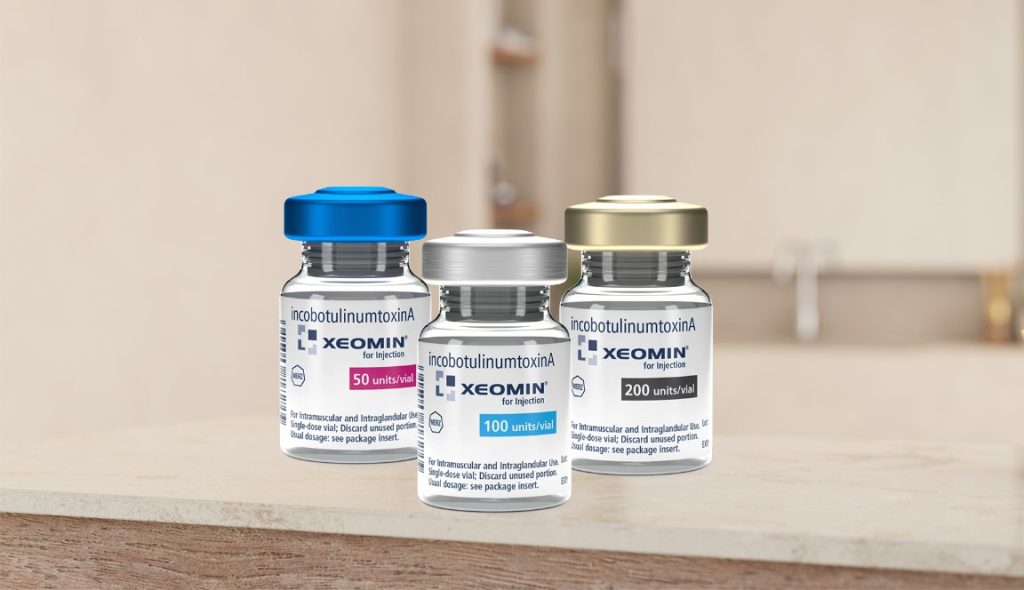
While Botox leads the market, it is not the only option available. Clinics often offer alternatives to meet different patient needs. One of the most common is Xeomin.
Xeomin is also an injectable made from botulinum toxin. It works in a similar way by relaxing targeted muscles and reducing wrinkles. However, there is a key difference in its formulation.
Unlike Botox, Xeomin does not contain accessory proteins. It is often referred to as a “naked” neurotoxin. This simpler structure may reduce the chance of the body developing resistance over time.
From a clinical perspective, both products deliver comparable results in many cases. The choice often depends on patient history, treatment goals, and provider preference.
For business owners, offering Xeomin as an alternative to Botox can expand service options. It allows providers to tailor treatments and appeal to patients who are looking for alternatives or who may not respond as well to Botox.
Adding Xeomin to a treatment menu can also strengthen patient retention. It gives flexibility without requiring a major shift in training or workflow.
What Is Botox Used For in Aesthetic and Clinical Settings
This is where the “BUT” earns its place. Most people associate Botox with aesthetics and they’re right, but that’s only part of the picture. Botox is not limited to cosmetic use. Its medical applications expand its value in clinical settings.
Common treatment areas include:
- Forehead lines
- Frown lines
- Crow’s feet
Medical uses include:
- Chronic migraines
- Hyperhidrosis
- Muscle spasms
This range of uses allows clinics to serve a wider patient base. It also positions Botox as a core service in both aesthetic and medical practices.
To maintain safety whatever product may be, clinics should always source injectables from licensed distributors.
What Botox Treatment Experience Is Like
The treatment process is simple and efficient. This is one reason Botox fits well into busy practices.
A typical appointment includes:
- Consultation and assessment
- Marking of injection points
- Quick injections using a fine needle
The procedure often takes less than 20 minutes. Patients can return to daily activities right away.
Side effects are usually mild. Some patients may experience slight redness or swelling. These effects resolve quickly.
For providers, the short treatment time allows for high patient volume. This improves scheduling efficiency and overall profitability.
Botox Safety and Risk Considerations
Safety remains a key part of the discussion around what Botox is. Both patients and providers need clear information.
Botox has a strong safety record when administered by trained professionals. Proper dosing and technique are critical.
Possible side effects include:
- Mild bruising
- Temporary swelling
- Rare muscle weakness outside the target area
These risks are low but should always be discussed during consultation.
Clinics that focus on training and patient education tend to see better outcomes. This also helps build trust and long term relationships.
Botox Cost and Business Value
Cost varies depending on several factors:
- Number of units used
- Treatment area
- Provider expertise
- Location of the practice
Botox is often priced per unit. This allows flexibility in treatment planning.
Summary for Providers and Patients
- Botox is a purified injectable that relaxes muscles to reduce wrinkles and fine lines.
- It is commonly used for forehead lines, frown lines, and crow’s feet in aesthetic medicine.
- Botox also has medical uses, including treatment for migraines, hyperhidrosis, and muscle spasms.
- The active ingredient is botulinum toxin type A, which blocks nerve signals to targeted muscles.
- When administered properly, Botox is considered safe and is widely used in medical and cosmetic practices.
- Xeomin is a common Botox alternative that offers similar wrinkle reducing effects.
Final Thoughts
A clear understanding of Botox helps both clinicians and business owners make informed decisions. It is not just a cosmetic product. It is a clinically proven treatment with strong demand.
As the aesthetics industry continues to grow, Botox remains a foundational service. Practices that use it effectively often see improved patient satisfaction and business performance.
Careful training, proper patient selection, and clear communication are essential. These factors ensure consistent results and long term success.
Frequently Asked Questions
What is Botox and how does it work?
Botox is an injectable made from botulinum toxin type A. It works by blocking nerve signals to muscles, which reduces movement and smooths wrinkles.
What is Botox made of?
If you are asking what is botox made of, it includes botulinum toxin type A, human albumin, and sodium chloride. These components are purified and tested for safety.
Are Botox ingredients safe?
Yes, the botox ingredients are approved for medical and cosmetic use. They are used in small, controlled amounts and have a strong safety record.
How Botox works for wrinkle reduction?
Understanding how botox works involves nerve signal interruption. By stopping muscle contractions, it prevents the formation of lines and softens existing wrinkles.
What is included in a Botox cosmetic overview?
A botox cosmetic overview covers treatment areas, expected results, duration, and patient suitability. It helps both providers and patients understand its role in aesthetic care.
Is botulinum toxin type A safe for use?
Botulinum toxin type A is safe when used in controlled doses by trained professionals. It has been widely studied and used for both cosmetic and medical treatments.
How long does Botox last?
Botox results usually last between three and four months for most patients. The duration can vary depending on the treatment area, dosage, metabolism, and how active the facial muscles are.
What cosmetic issues can Botox treat?
Botox is commonly used to reduce forehead lines, crow’s feet, and frown lines between the eyebrows. It can also help soften other expression lines caused by repeated facial movement over time.
What are the medical benefits of Botox?
Botox is used in medical settings to help manage chronic migraines, excessive sweating, and muscle spasms. Some healthcare providers also use it for certain nerve and muscle related conditions that affect movement and discomfort.
What is inside Botox besides botulinum toxin type A?
Besides botulinum toxin type A, Botox contains human albumin and sodium chloride. These ingredients help stabilize the formula and prepare it safely for injection.
Is there a difference between Botox and Xeomin?
Yes, both injectables work similarly, but Xeomin has a slightly different formulation. Unlike Botox, Xeomin does not contain accessory proteins, which may be beneficial for some patients depending on their treatment history.