Patients ask their injector one question more than almost any other. What is Xeomin, and why choose it over a treatment they already know? Some search it online first, typing in xeomin what is it before ever calling a clinic. It’s a fair question. New product names enter the aesthetic market every year, and not all of them last. Xeomin has, and for good reason.
This guide breaks down what Xeomin is. It covers what it treats, what it contains, and how it compares to other options on the market.
What Is Xeomin?
Xeomin is an injectable, given by prescription only. It briefly relaxes targeted facial muscles. It belongs to a class of treatments called neuromodulators. These work by blocking nerve signals that cause muscle contractions. Reduce that signal, and the muscle relaxes, softening the wrinkles that form above it.
The Xeomin manufacturer is Merz Pharmaceuticals, a German company with a long history in medical aesthetics. Merz brought Xeomin to the U.S. market in 2011, right after FDA approval. Since then, it has become a staple in many medical spas and dermatology practices.
For clinics sourcing product, Xeomin page has full xeomin information for licensed providers. The short answer to what it is: a purified form of botulinum toxin type A. It’s delivered without the extra proteins found in some other brands.
What Is Xeomin Used For?
Xeomin has both cosmetic and medical approvals. Providers choose it depending on what a patient needs.
Cosmetic Uses
- Frown lines between the eyebrows, known as glabellar lines.
- Off-label treatment for forehead lines.
- Off-label treatment for crow’s feet around the eyes.
Medical Uses
- Cervical dystonia, which causes the neck muscles to twist or spasm on their own.
- Blepharospasm, or uncontrolled eyelid spasms.
- Upper limb spasticity in adults, causing stiff, hard-to-control arm muscles.
For clinics building a treatment menu, this dual purpose matters. A supplier who understands what Xeomin is used for tends to offer better guidance. That goes for both medical and cosmetic dosing decisions. Botox alternative overview breaks down how clinics typically position it.
Xeomin Ingredients and How It Works
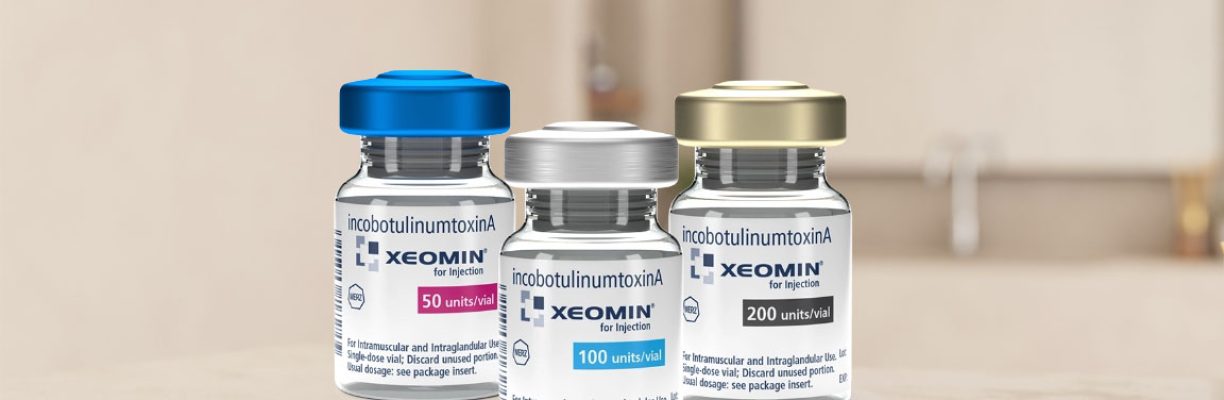
Xeomin’s active ingredient is incobotulinumtoxinA, a purified neurotoxin derived from Clostridium botulinum bacteria. This is where the xeomin neurotoxin conversation usually starts. The word sounds alarming out of context. In this form and dose, though, it’s a well-studied, tightly regulated medical treatment. The FDA’s official prescribing information covers this in full detail.
What sets Xeomin apart is what it doesn’t contain. Merz uses a process called XTRACT Technology to remove the accessory proteins found in other products. The result is a “naked” molecule, just the active neurotoxin Xeomin needs to work.
As a Xeomin botulinum toxin type A product, it still works the same basic way as its competitors. It blocks a chemical signal called acetylcholine at the nerve-muscle junction. That stops the targeted muscle from contracting.
Is Xeomin the Same as Botox?
This is the comparison every provider gets asked eventually. Here’s how the two actually compare:
- Results: Both give smoother lines and a more relaxed expression, typically lasting three to four months.
- Formulation: Botox contains accessory proteins. Xeomin does not.
- Storage: Botox needs refrigeration before mixing. Xeomin can sit at room temperature before mixing.
- Pricing: Xeomin often costs less per unit, though pricing varies by distributor.
- Dosing: Units are roughly comparable between the two, unlike some other neurotoxins that use different calculations.
Is Xeomin Botox? Not exactly. The two are close relatives, though.
For a deeper look at xeomin versus botox timelines, see DeWitt Pharma’s guide on how long Xeomin lasts vs Botox. For a practical walkthrough, check how to switch a patient from Botox to Xeomin.
What This Means for You
Different readers come to this page for different reasons. Here’s how Xeomin applies depending on where you’re starting from:
| Who You Are | What This Means for You |
| New injectors | Xeomin is a product you’ll likely be asked about early on. Learn its dosing, its lack of accessory proteins, and how it differs from Botox before your first patient consult. |
| Clinics considering Xeomin | It’s a lower-cost, room-temperature-stable option that can sit alongside Botox on your menu without replacing it. Sourcing from a licensed distributor is the main first step. |
| Patients | Xeomin is a purified, FDA-approved neurotoxin without the extra proteins found in some other brands. Side effects are usually mild, and it’s fair to ask your provider questions before treatment. |
Xeomin Side Effects
Like any injectable, Xeomin side effects are worth reviewing with every patient before treatment.
Common Side Effects
- Injection site pain.
- Redness and swelling.
- Mild headache.
- Slight bruising.
Rare Side Effects
- Eyelid drooping, if the product spreads from the injection site.
- Difficulty swallowing, in patients treated near the throat.
So, is Xeomin safe? For appropriately screened patients treated by a qualified provider, yes. All botulinum toxin products carry the same FDA boxed warning. It flags a rare risk: the toxin can spread beyond the injection site. Xeomin is also not recommended for patients with certain neuromuscular disorders, like myasthenia gravis. This is why patient screening matters. Sourcing from a licensed, verified distributor matters just as much.
Summary
- Xeomin is an FDA-approved neuromodulator made by Merz Pharmaceuticals.
- It treats both cosmetic concerns and medical conditions like cervical dystonia.
- Its formula excludes accessory proteins found in some other neurotoxins.
- Results are similar to Botox, typically lasting three to four months.
- Side effects are usually mild and temporary.
- Sourcing from a licensed distributor is key to safety and authenticity.
- Useful reading for clinics, new injectors, and curious clients alike.
Final Thoughts
What is Xeomin, in the end? A trusted, FDA-approved neuromodulator that gives providers a proven, well-documented option beyond Botox.
Clinics looking to source it safely can turn to a licensed Texas distributor like DeWitt Pharma for compliant, reliable supply.
Frequently Asked Questions
What is Xeomin? Xeomin is a prescription neuromodulator. It briefly relaxes targeted facial muscles to soften wrinkles, most commonly frown lines between the eyebrows.
Xeomin, what is it in simple terms? It’s a purified injectable made from botulinum toxin type A. It smooths wrinkles by relaxing the muscles that cause them.
What is Xeomin used for? Xeomin treats glabellar lines, cervical dystonia, blepharospasm, and upper limb spasticity. It’s also used off-label for forehead lines and crow’s feet.
What are the side effects of Xeomin? Common side effects include injection site pain, redness, swelling, and mild headache. More serious effects, like eyelid drooping, are rare.
What are Xeomin’s most reported side effects? Beyond mild swelling and bruising, some patients report headache after treatment. Xeomin side effects are generally temporary and resolve on their own.
Who is the Xeomin manufacturer? Merz Pharmaceuticals makes Xeomin. The company is based in Germany and has worked in medical aesthetics for decades.
Is Xeomin Botox? No. Xeomin and Botox are different products from different manufacturers. Both are botulinum toxin type A formulations with similar effects.
Is Xeomin the same as Botox? Not exactly. They produce similar results, but Xeomin lacks the accessory proteins found in Botox and has different storage requirements.
Where can providers find reliable Xeomin information? The best sources are the manufacturer’s prescribing information, FDA labeling, and a licensed wholesale distributor.
Is Xeomin a neurotoxin? Yes. Xeomin is classified as a neurotoxin because it works by blocking nerve signal transmission to targeted muscles.
Is Xeomin safe? Xeomin is considered safe for well-screened patients treated by a trained provider. It still carries the same boxed warning as other botulinum toxin products.
How does Xeomin versus Botox compare in results? Results are broadly similar in duration and appearance, though formulation, storage, and pricing differ between the two products.
Is neurotoxin Xeomin different from other neurotoxins on the market? Yes, primarily due to its lack of accessory proteins, which sets it apart from formulations like Botox and Dysport.
Is Xeomin a botulinum toxin? Yes. Xeomin is a botulinum toxin type A product, purified to remove accessory proteins during manufacturing.
What are the ingredients in Xeomin? Xeomin’s active ingredient is incobotulinumtoxinA. It also contains human serum albumin and sucrose as stabilizing agents.